
 Facebook
 X
X
 Pinterest
 Copy Link
From Raw Land to Dream Home: The Step-by-Step Development Timeline in Madera County
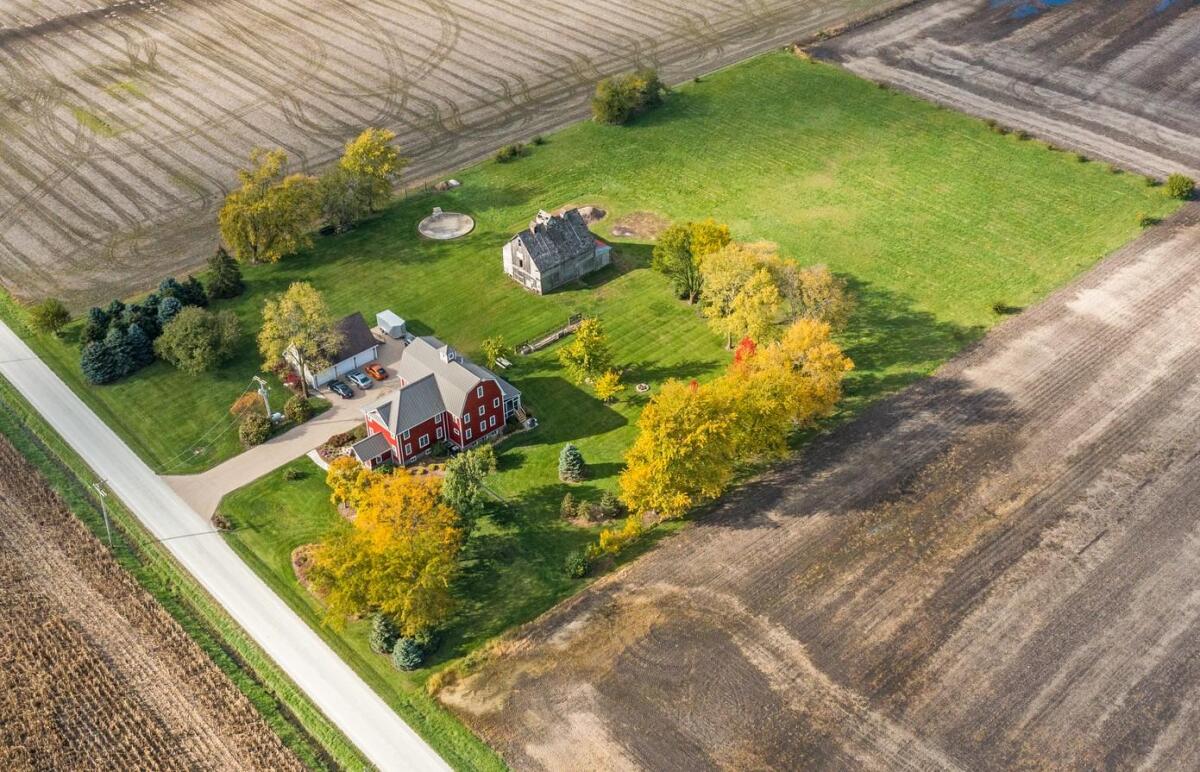
Buying raw land in the Central California foothills is exciting. You’re not just purchasing acreage—you’re creating a home from the ground up. But the land-to-home process is very different from buying an existing house. It requires planning, technical knowledge, and an organized sequence of steps.
This guide walks you through the full development timeline for Oakhurst, Coarsegold, North Fork, Ahwahnee, Raymond, Yosemite Lakes Park, and the larger Madera County area. Whether you’re building a primary home, vacation retreat, or investment property, this breakdown will help you understand every phase and avoid costly delays.
1. Pre-Purchase Site Evaluation
Before you close escrow on a land parcel, you should complete basic due diligence to confirm the site is buildable.
Key items to review before you buy:
-
Road access and easements (legal access, not just visible roads)
-
 Power availability (PG&E connection costs can vary widely)
 -
Water options (existing well vs. drilling a new one)
-
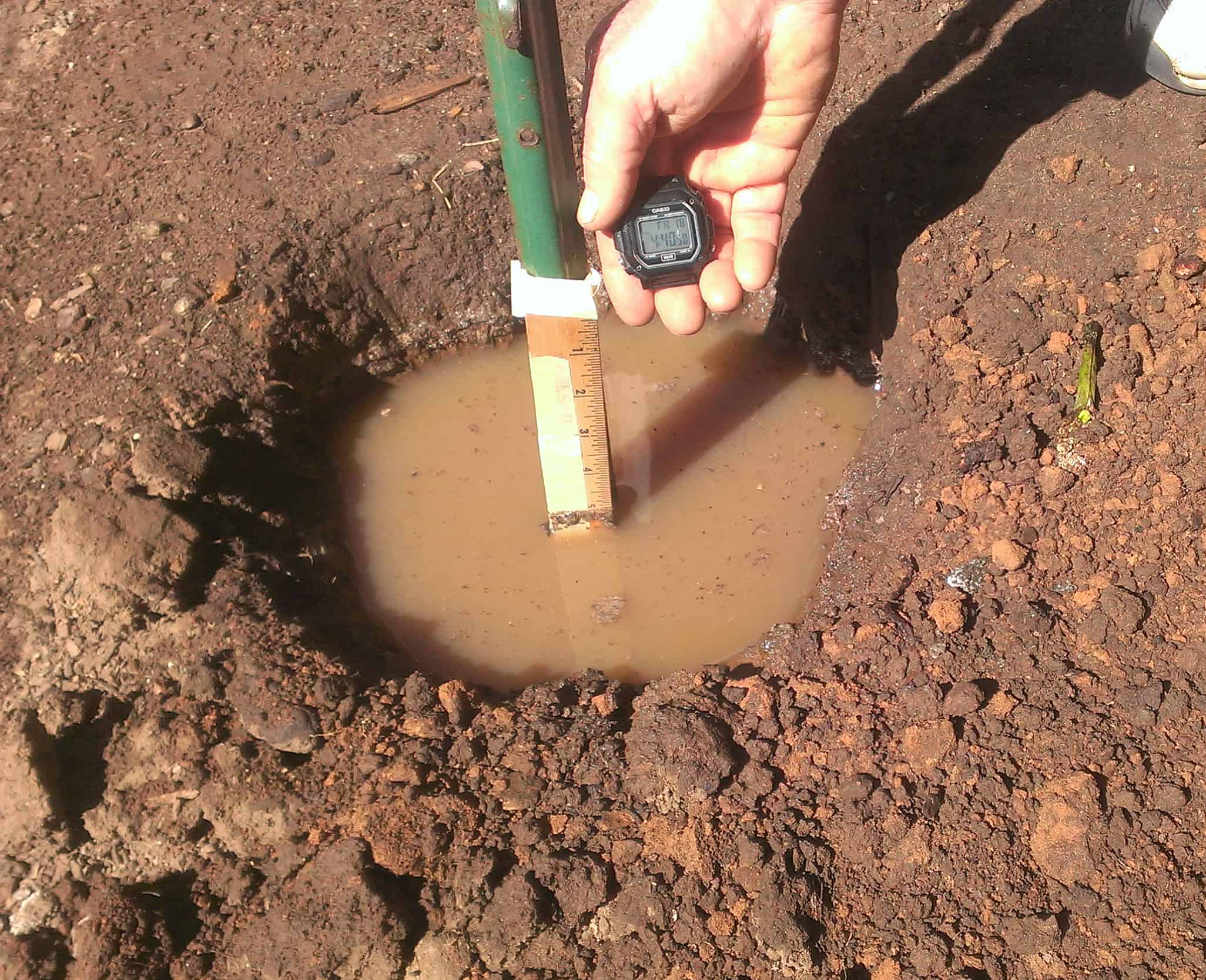
Septic feasibility (percolation tests or county septic reports)
-
Slope and grading requirements
-
Fire zone restrictions and defensible space rules
-
Zoning and allowable uses
 Power availability (PG&E connection costs can vary widely)
For zoning definitions and parcel maps, use the Madera County GIS portal:
🔗 https://gis.maderacounty.com/
2. Hire Your Core Team
Once you confirm the land is buildable, your next step is assembling your development team.
Typical professionals include:
-
General contractor (GC)
-
Civil engineer
-
Surveyor
-
Grading contractor
-
Well driller
-
Septic engineer or installer
-
Architect or home designer
-
Energy consultant (Title 24 compliance)
Hiring your team early prevents design changes, permit issues, and unnecessary delays.
3. Site Planning and Home Design (2–6 Weeks)
Here, you determine where the home will sit and how the supporting systems will be designed.
Decisions made during this phase include:
-
Homesite location
-
Driveway placement
-
Septic system layout
-
Well location
-
Power pole or utility trench path
-
Grading plan

-
Fire access requirements
-
Home orientation for sunlight, views, and privacy
This is also where your architectural plans are created.
4. Surveys, Soil Tests, and Engineering (2–8 Weeks)
This is the technical groundwork required before submitting your permit application.
Common site studies include:
-
Boundary survey (defines your property lines)
-
Topographic survey (required for building plans and grading plans)
-
Perc test (PERC) for septic
-
Soil report / geotechnical evaluation
-
Grading plan engineering
-
Drainage study if needed
These reports ensure the home can be safely built on the land.
5. Permit Application & Approval (6–20 Weeks)
Madera County’s building permit process includes several required permits depending on the parcel.
Typically required permits:
-
Building permit
-
Grading permit
-
Septic permit
-
Well drilling permit
-
Electrical permit
-
Mechanical/plumbing permits
-
Driveway/encroachment permit
-
Fire department approval for access
More info:
🔗 https://www.maderacounty.com/government/community-and-economic-development/building-division
Approval times vary depending on complexity.
6. Clearing and Rough Grading (1–6 Weeks)
Once permits are issued, construction begins.
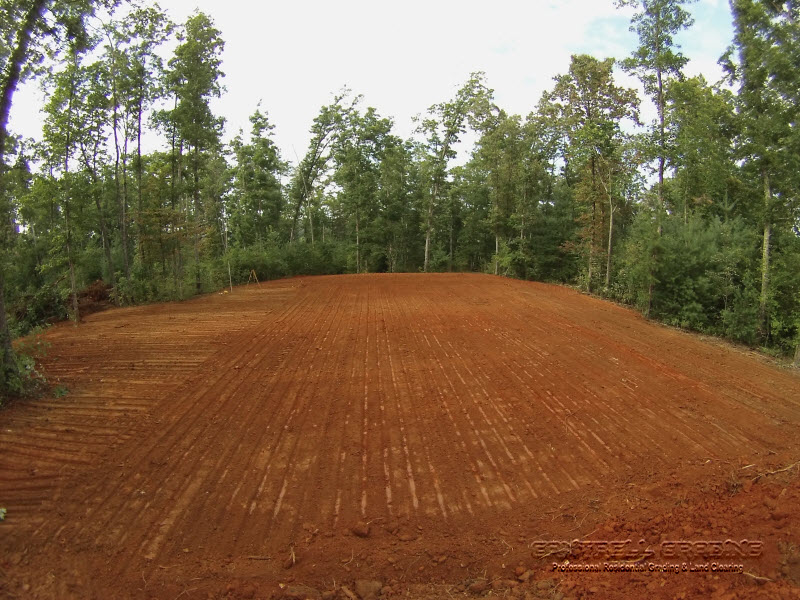
Rough grading includes:

Clearing brush
-
Cutting trees (if needed)
-
Leveling the homesite
-
Cutting the driveway
-
Improving road access
-
Installing culverts for drainage
-
Creating building pads
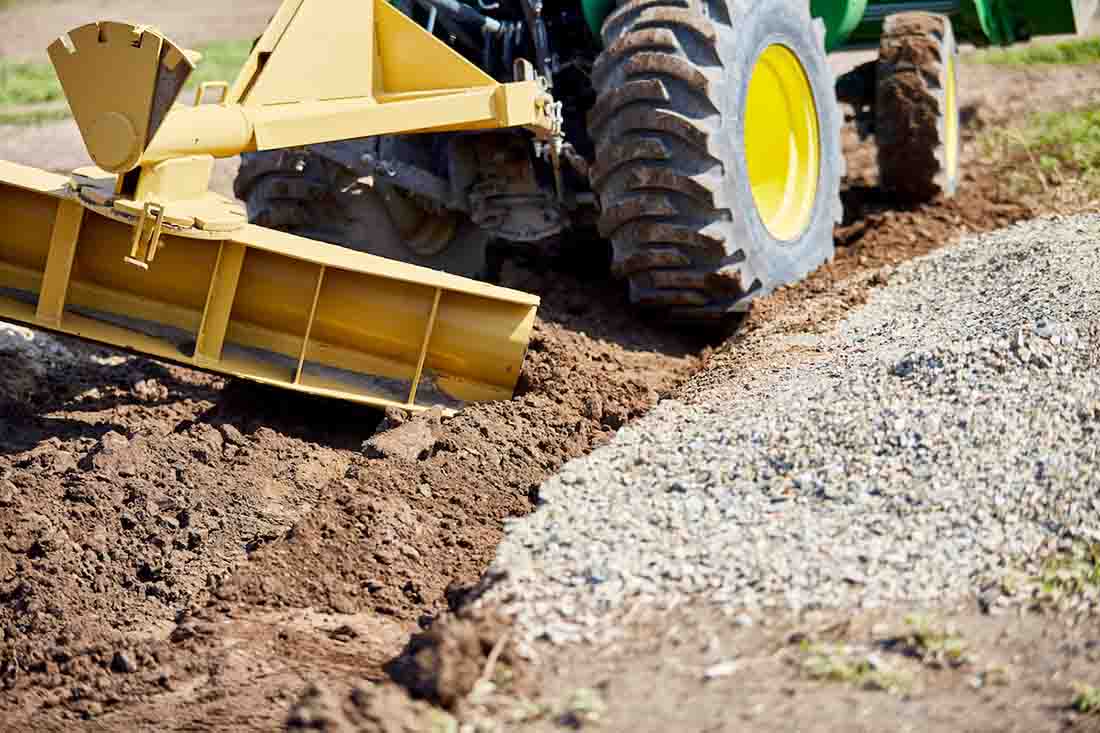
Proper grading is critical. It affects drainage, erosion control, slope stability, and foundation work.
7. Utilities Installation (2–12 Weeks)
This is often where unsuspecting land buyers get surprised by timelines and costs.
Power Options
-
PG&E grid connection
-
Solar + battery backup
-
Hybrid off-grid systems
PG&E timelines can vary widely. Sometimes new poles or trenching are needed.
Water
-
Drill a new well
-
Test flow and potability
-
Install the pump and pressure tank
Septic
-
Excavate leach lines
-
Install the tank
-
County inspection
Communications
-
Internet options may include Starlink, line-of-sight wireless, or cable in some areas.
8. Foundation & Framing (4–10 Weeks)
Once the site is graded and utilities are roughed in, construction moves fast.
Stages include:
-
Trenching for utilities

-
Pouring footing and foundation
-
Framing the structure
-
Roof installation
-
Window installation
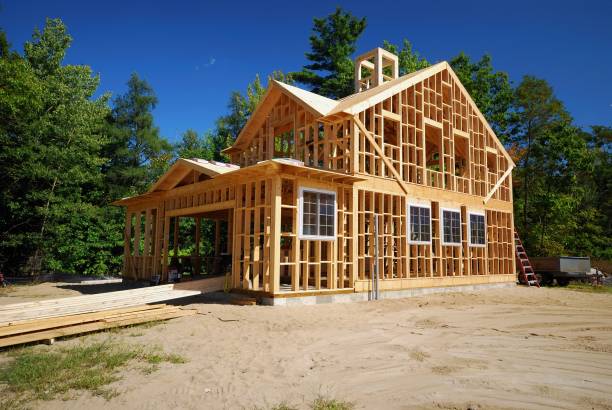
After framing, inspections ensure structural compliance.
9. Rough-In Phase (2–8 Weeks)
This is where everything behind the walls gets installed.
Includes:
-
Electrical wiring
-
Plumbing lines
-
HVAC ducting
-
Gas lines
-
Fire sprinklers (if required)
After rough-in, Madera County performs an inspection before the walls can be closed.
10. Insulation & Drywall (2–4 Weeks)
Insulation is installed according to Title 24 energy requirements. Then:
-
Drywall goes up
-
Walls are textured
-
Ceilings are finished
This stage makes the structure feel like a real home.
11. Interior Finishes (4–12 Weeks)
This is typically the longest part of the timeline.
Interior finishes include:
-
Cabinets
-
Flooring
-
Tilework
-
Interior doors
-
Countertops
-
Lighting fixtures
-
Painting
-
Trim and molding
Quality varies by budget, so timelines differ.
12. Exterior Finishes (2–8 Weeks)
This includes:
-
Exterior siding
-
Paint or stain
-
Decks or patios
-
Driveway paving or gravel
-
Walkways
-
Landscaping (fire-safe requirements apply)
In the foothills, fire-smart landscaping is mandatory in many zones.
13. Final Inspections (1–3 Weeks)
Madera County must approve:
-
Final electrical
-
Final plumbing
-
Final HVAC
-
Septic certification
-
Fire department clearance
-
Final building inspection
Once all inspections pass, the county issues a Certificate of Occupancy (CO).
14. Move-In & Final Walkthrough
After receiving the CO, you can finally move in.
A good contractor will:
-
Provide warranties

-
Complete punch-list items
-
Ensure all systems are operating
-
Hand over plans and manuals
Your raw land has officially become your new home.


