
 Facebook
 X
X
 Pinterest
 Copy Link
Understanding Permits and Building Codes in Madera County: A Plain-English Guide for Rural Land Buyers
If you’re planning to build a home in Oakhurst, Coarsegold, North Fork, Raymond, Ahwahnee, or anywhere in the Madera County foothills, you’ll need to navigate a maze of building permits and county regulations. And if you’ve never built a home before, the process can feel overwhelming.
The good news? Once you understand the logic behind the system, it becomes much more manageable.
This guide breaks down Madera County’s building requirements in easy terms—what you need, when you need it, and how each step fits into the timeline of turning raw land into a home.
1. Why Permits Matter (and Why You Can’t Skip Them)
Building permits exist for one reason: to ensure the structure is safe and meets California building standards.
Permits protect:
-
You — the homeowner
-
Future buyers
-
Your contractor
-
Your lender or insurance

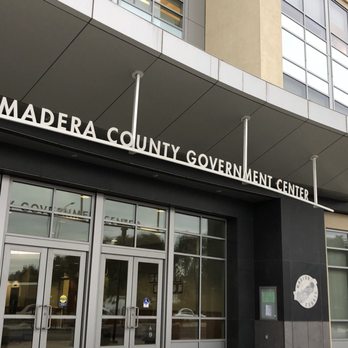
Unpermitted work can lead to major issues, including:
-
Denied insurance coverage
-
Blocked refinancing
-
Fines
-
Forced demolition of unpermitted structures
-
Delays in selling the property
The county building code is based on the California Building Standards Code, updated every three years.
More info:
🔗 https://www.dgs.ca.gov/BSC/Codes
2. The Core Permits You’ll Need for a Residential Build
Every build is different, but most rural homes in Madera County require the following:
✔ Building Permit
This is the main permit for constructing a home, garage, or accessory structure.
✔ Grading Permit
Required if you’re moving soil, cutting a pad, or creating roads/driveways.
✔ Septic Permit
Needed when installing or replacing a septic system. Includes perc test and engineering review.
More info:
🔗 https://www.maderacounty.com/government/environmental-health/land-use
✔ Well Drilling Permit
If the land doesn’t already have a functioning well, you’ll need approval before drilling.
✔ Electrical, Plumbing, and Mechanical Permits
These are part of the main building permit but sometimes issued separately for additions or upgrades.
✔ Fire Department Clearance
Especially important in foothill fire zones. You may need:
-
Minimum driveway width
-
Turnaround radius
-
Address markers
-
Fire-safe clearance
Fire code reference:
🔗 https://osfm.fire.ca.gov/
3. What You Need Before Applying
The county won’t accept incomplete plans. Before submitting your application, you must have:
Architectural Plans
A complete home design—floor plans, elevations, materials.
Site Plan
A map showing the home’s footprint, driveway, septic location, well placement, and property lines.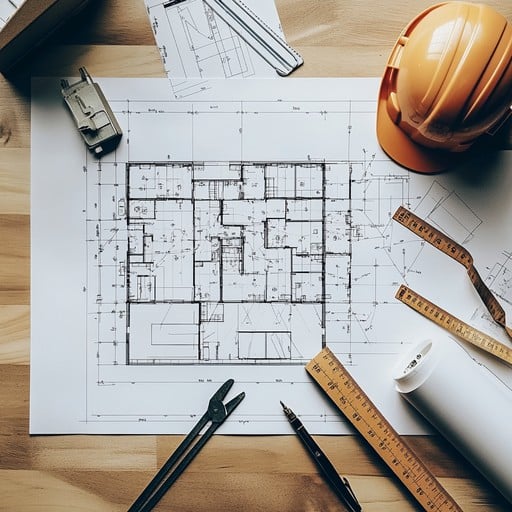
Engineer’s Grading Plan
If you’re cutting a pad or significant slope.
Title 24 Energy Calculations
Required for all new California homes.
Soil Report (Geotechnical Study)
Confirms foundation requirements and slope stability.
Septic Engineering (if no existing system)
A certified engineer confirms the system will work for your site.
When all documents are ready, you can apply online or in person.
Permit portal:
🔗 https://www.maderacounty.com/government/community-and-economic-development/building-division
4. What Happens After You Submit Your Application
Once submitted, your plans go through a multi-department review:
1. Planning Department
Checks zoning, setbacks, and allowable use.
2. Building Division
Reviews structural elements, roof load, foundation type, etc.
3. Environmental Health
Verifies septic layout and well placement.
4. Fire Department
Ensures defensible space and access routes.
5. Public Works
Reviews encroachment requirements for driveways connecting to public roads.
If anything needs correction, the county will send a plan check correction list.
You revise and resubmit until approved.
5. How Long Do Permits Take in Madera County?
Timelines vary depending on workload and project complexity, but typical residential builds fall into this range:
⏱ Plan Check: 6–12 weeks
⏱ Revisions (if needed): 2–4 weeks
⏱ Final Permit Issuance: 1–2 weeks
Projects requiring special engineering, grading changes, or major fire code adjustments may take longer.
6. Inspections: What to Expect After You Break Ground
Once your permit is issued, Madera County performs inspections at each critical stage.
Inspection stages include:
-
Site/erosion control inspection

-
Septic installation inspection
-
Foundation inspection
-
Rough electrical, plumbing, and mechanical
-
Framing inspection
-
Insulation inspection
-
Final building inspection
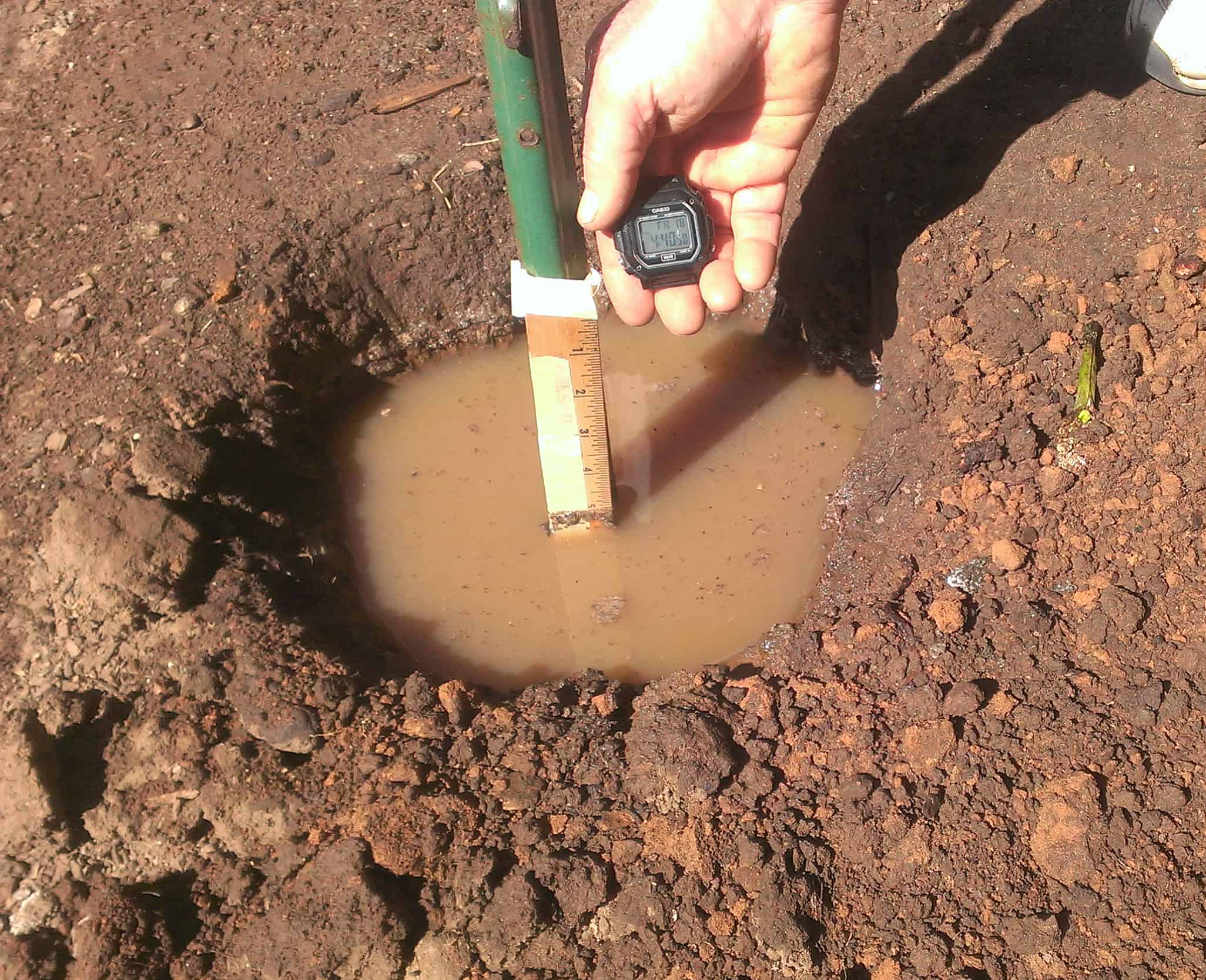
You cannot move to the next stage until the current inspection passes.
To schedule inspections, the county uses an online or phone scheduling system listed here:
🔗 https://www.maderacounty.com/government/community-and-economic-development/building-division/inspection-request
7. Common Building Code Requirements That Surprise Buyers
Many out-of-area buyers don’t realize that foothill construction follows strict safety rules. Some of the most common “surprise requirements” include:
✔ Fire Sprinklers
Certain new homes must have interior suppression systems.
✔ Wildland-Urban Interface (WUI) Requirements
Homes in fire zones must use fire-resistant:
-
Roofing
-
Siding
-
Vents
-
Window coverings
✔ Grading and Drainage Rules
You may need engineered plans if altering natural drainage patterns.
✔ Driveway Access Standards
Steep lots often require a turnaround or widened access for emergency vehicles.
✔ Energy Efficiency Standards
Title 24 is strict. High-efficiency windows, insulation, and HVAC may be required.
These aren’t optional—they’re required by state law.
8. Costs: What Permits Typically Run
Permit prices change, but here’s a general range for a single-family home in the Madera County foothills:
-
Building permit: $5,000–$15,000
-
Grading permit: $500–$3,000
-
Septic permit: $1,200–$2,500
-
Well permit: $500–$1,000
-
Impact fees: $8,000–$20,000+ depending on location
If you’re building in a specific district (YLP, Bass Lake, etc.), additional fees may apply.
9. Tips to Avoid Delays and Extra Costs
1. Hire a contractor familiar with the foothills.
Local knowledge prevents mistakes—especially around fire codes and steep lots.
2. Respond quickly to correction notices.
The faster you submit revisions, the faster your permit moves forward.
3. Don’t begin work without approvals.
Unpermitted grading is one of the most common (and expensive) mistakes.
4. Keep communication consistent with your engineering team.
Most delays come from missing or incomplete technical reports.
5. Build with fire safety in mind.
Many buyers underestimate fire code costs—especially on rural land.


