
 Facebook
 X
X
 Pinterest
 Copy Link
How to Verify Road Access and Easements Before Buying Land in Central California
One of the most misunderstood parts of buying rural or foothill land is road access. A property may have a visible dirt road, a well-used driveway, or even a neighborhood street running right past it — but none of that guarantees legal access.
In the Central California foothills, “looks like access” and “legally recognized access” are two different things. If you don’t verify both, you could end up with land you can’t build on, finance, or even reach without trespassing.
This guide explains exactly how to confirm access, what documents matter, the red flags buyers overlook, and how to avoid the most expensive land-buying mistake in California.
1. Visible Access vs Legal Access: Why the Difference Matters
Most rural parcels in Madera County, Mariposa County, and Fresno County appear to have access because:
-
A dirt road crosses the lot
-
There’s a driveway next door
-
The listing agent says “easy access”
-
Google Maps shows a road nearby
But physical access means nothing unless you have legal access recorded on title.
Legal access is required for:
-
Building permits
-
Lender financing
-
Insurance
-
Utility installation
-
Selling the property later
Without legal access, your land could be effectively landlocked.
2. Step-by-Step: How to Verify Legal Road Access
Here’s the exact process professionals use.
Step 1: Check the Recorded Easements on the Preliminary Title Report (PTR)
When you open escrow, the title company provides a Preliminary Title Report, listing all:
-
Recorded easements
-
Access rights
-
 Restrictions
 -
Private road agreements
 Restrictions
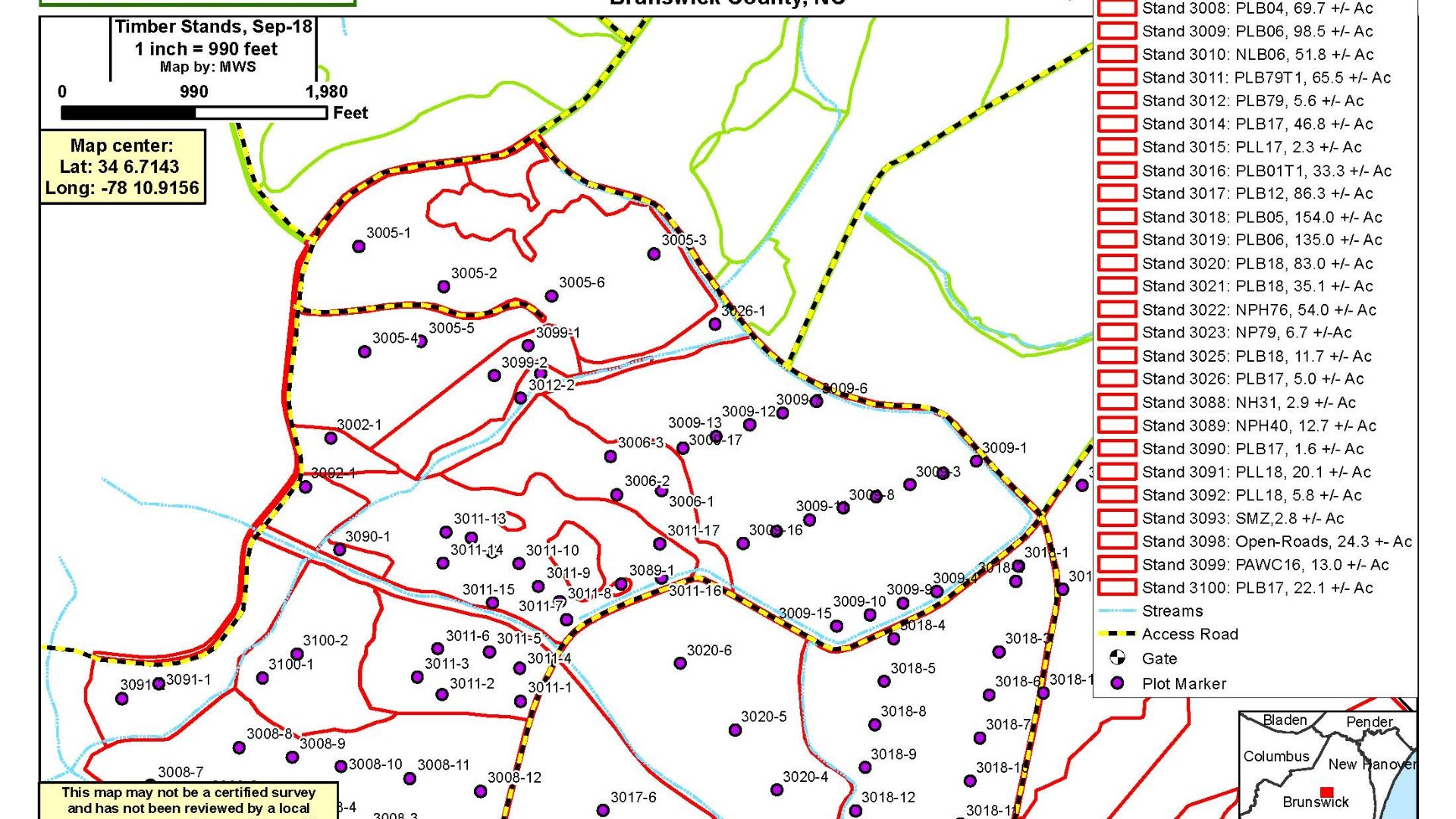
Look for any easement language referencing:
-
Ingress/egress
-
Right-of-way
-
Road maintenance agreements
-
Encumbrances / Restrictions / Easements (CC&Rs)
If no access easement appears, you need to investigate immediately.
If you want examples, here’s a good reference explaining easements:
🔗 https://www.nolo.com/legal-encyclopedia/easements-basics
Step 2: Use the Madera County GIS to View Parcel Boundaries
Almost every county in California has a GIS system showing:
-
Parcel shapes
-
Roads
-
Easements

-
Topography
Madera County GIS:
🔗 https://gis.maderacounty.com/portal/apps/webappviewer/index.html
Look for:
-
Roads touching the parcel
-
Whether they are public or private
-
Possible unrecorded access paths
But note: GIS maps do not confirm legal access — they only help visualize.
Step 3: Confirm the Road Type (Public, Private, or Unmaintained)
Not all roads are created equal:
Public Roads
Maintained by the county. Best for financing and development.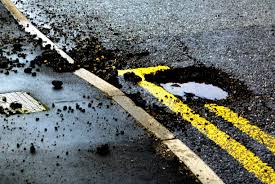
Private Roads
Shared by landowners. Often require a road maintenance agreement (RMA).
Unmaintained Roads
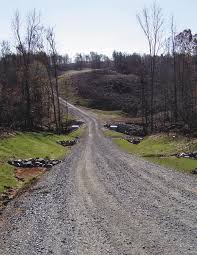
Common in the foothills — may be passable or may wash out entirely after storms.
If you’re unsure, call:
🔗 Madera County Public Works
https://www.maderacounty.com/government/public-works
Ask whether the road is county maintained or private.
Step 4: Verify Road Maintenance Agreements (RMAs)
If the access road is private, lenders often require:
-
A recorded RMA
-
An unofficial shared maintenance agreement
-
Or a commitment between neighbors to sign one
Without maintenance agreements, lenders may deny financing because fire trucks cannot safely reach the home.
RMAs should define:
-
Who maintains the road
-
Percentage of cost-sharing
-
How disputes are handled
-
Who is responsible for grading, culverts, snow removal, etc.
Step 5: Ensure Access Is “Insurable”
Even if access technically exists, insurance companies may still deny coverage if:
-
The road is too narrow
-
Fire trucks cannot turn around
-
There is no space for defensible area at the homesite
-
The slope is too steep
Before closing, ask:
“Is the road considered insurable access for emergency vehicles?”
If you’re unsure, call the local station:
🔗 CAL FIRE Madera-Mariposa-Merced Unit
https://www.fire.ca.gov/madera-mariposa-merced-unit/
They will often give informal guidance on whether access is safe.
Step 6: Confirm Access in Writing From the Title Company
This step is extremely important.
Ask the title company:
“Does this parcel have legal, recorded, and insurable access recognized under California law?”
If the answer is anything other than Yes, red flags go up.
If needed, ask for an access endorsement, which guarantees access for the life of the policy.
3. Common Access Problems in the Foothills (Real Examples)
1. “Neighbor Driveway Access” That Is Not Legal
Buyers assume that because the neighbor uses a driveway, they also can.
Not true unless recorded.
2. Unrecorded Dirt Roads
Many foothill properties have paths carved decades ago that were never formalized.
3. Landlocked Parcels
These still exist — especially in older subdivisions.
4. Easements That Don’t Reach the Buildable Area
An access easement may reach the corner of the lot but not the usable portion.
5. Roads Built Across Someone Else’s Property With No Permission
Common in rural areas and can lead to lawsuits or blocked access.
4. What Happens If You Buy Without Legal Access?
You may not be able to:
-
Pull permits
-
Build a home
-
Drill a well
-
Install septic
-
Bring in PG&E
-
Get insurance
-
Get a mortgage
-
Sell for full value
This is why verifying access is one of the top three due diligence steps when buying land.


