
 Facebook
 X
X
 Pinterest
 Copy Link
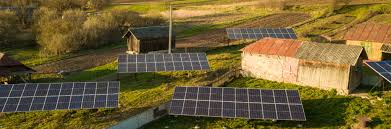
Understanding Septic Systems, Wells, and Utilities for Rural Land Buyers in Central California
A Practical Guide for Oakhurst, Coarsegold, North Fork, and the Foothill Communities
Buying rural land in Central California offers freedom, privacy, and long-term value — but it also requires a clear understanding of how water, power, and waste systems work. In communities like Oakhurst, Coarsegold, Ahwahnee, North Fork, Raymond, and Bass Lake, public utilities are rare. Instead, most property owners rely on private wells, septic systems, propane tanks, and a mix of on-grid or off-grid power options.
If you’re planning to buy land in the foothills, you need to understand these systems before you make an offer. The goal of this guide is to break down the technical side of rural utilities in a way that’s practical, buyer-friendly, and tailored to Madera County’s foothill market.
This post explains everything first-time land buyers and out-of-area investors need to know about installing septic systems, drilling wells, connecting power, and planning utilities for future development.
1. Why Rural Utilities Matter More Than Anything Else
In rural real estate, your utilities determine:
-
Whether the property is buildable
-
What your construction timeline looks like
-
Long-term maintenance costs
-
Whether insurance companies will cover the home
-
Your ability to operate off-grid if needed
-
How comfortable and functional the property will be
Two parcels can look identical but have massively different development costs based on septic feasibility, well production, electric availability, and terrain.
This is why utility due diligence should begin as early as possible — often before inspections, surveys, or engineering.
2. Septic Systems: What Every Buyer Needs to Know Before Building
Since foothill communities do not have public sewer, every home requires a septic system that is approved and permitted by Madera County Environmental Health.
How Septic Systems Work
A standard system includes:
-
Septic tank (holds wastewater)
-
Leach field (filters water back into the soil)

-
Distribution lines
-
Ventilation and inspection ports
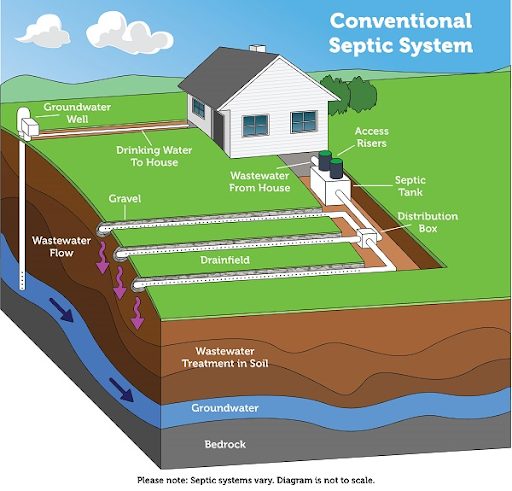
The system must match the soil conditions, slope, drainage, and lot size.
Perk & Soil Tests: The Most Important Step
Before installing septic in Madera County, the soil must pass a percolation test and a soil profile review, which together determine:
-
Whether the land can support a standard septic system
-
Where the system can be placed
-
Whether you’ll need an engineered or mound system
-
How much the installation will cost
Poor soil = more expensive systems.
Rocky soil = limited placement options.
Shallow soil = engineered system required.
Typical Septic Costs in the Foothills
-
Standard system: $14,000–$25,000
-
Engineered system: $25,000–$45,000+
-
Repairs or replacement: $6,000–$15,000
Prices increase based on slope, soil, and trenching distance.
County Requirements
Madera County requires:
-
A licensed professional to perform soil/perk tests
-
Approval of site placement
-
Minimum setbacks from wells, property lines, creeks, and structures
-
A reserve leach field area
Skipping a perk test is one of the biggest mistakes rural buyers make — and one of the most expensive to fix later.
3. Wells: Your Only Water Source in Most Foothill Communities
Most rural properties rely on private water wells. Knowing how to evaluate and plan for one is a crucial part of purchasing land.
Key Questions to Ask
-
Is there an existing well?
-
What is its depth?
-
What are the gallons per minute (GPM)?
-
Has the water been tested recently?

-
How old is the pump?
-
Is there a storage tank?
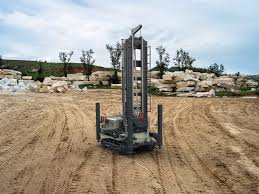
A well that produces too little water can limit house size or require expensive upgrades.
Typical Well Production in the Oakhurst–Coarsegold Region
-
Many wells produce 5–20 GPM
-
Some rural or rocky areas drop below 3 GPM, requiring storage
-
Deep wells (500–800 ft) are common in granite-heavy zones
Costs to Drill a New Well
Prices vary depending on depth, terrain, and casing requirements:
-
Drilling: $40–$95 per foot
-
Pump equipment: $3,500–$8,000
-
Storage tanks: $1,500–$3,500
-
Total average: $18,000–$45,000+
If the property has no well, get a well feasibility consultation before closing escrow.
Water Quality Tests
Always test for:
-
Bacteria
-
Nitrates
-
Arsenic (common in pockets of the Valley & foothills)
-
Hardness/minerals
A failing well can be one of the most expensive surprises new buyers face.
4. Power and Electrical Options: PG&E, Solar, or Hybrid Systems
Not every rural parcel has power close by. Some require expensive PG&E line extensions, while others are ideal for off-grid setups.
PG&E Line Extensions
PG&E may charge:
-
 $10,000–$60,000+ to run lines to distant parcels
Cost depends on: -
Distance from nearest transformer
-
Terrain
-
Trenching requirements
-
Need for additional poles or equipment
Always contact PG&E during due diligence.
Solar as a Primary or Supplemental Power Source
Many foothill buyers choose a hybrid setup:
-
Solar panels
-
Battery backup
-
Generator system
-
Optional PG&E connection
Solar can reduce long-term costs, especially in high fire-risk zones where outages are common.
Backup Generators
Essential in many rural areas.
Typical systems:
-
Propane-powered whole-house generators
-
Automatic transfer switches
These ensure water pumps and refrigeration continue during PG&E outages.
5. Propane, Internet, Phone, and Other Utility Considerations
Propane Gas
The foothills rely on:
-
Above-ground propane tanks
-
Deliveries from local suppliers
-
Lines running to the home or future build site
Propane is used for:
-
Heating
-
Water heaters
-
Cooking
-
Backup generators
Internet Access
Options vary by area:
-
Starlink (most reliable in rural regions)
-
Spectrum (available in some Oakhurst & Coarsegold neighborhoods)
-
Local providers (vary by street)
-
Fixed wireless options
Trash & Recycling
Depending on location:
-
Roadside pickup
-
Shared community dumpsters
-
Transfer station drop-offs
Fire Safety Utilities
Many parcels require:
-
Secondary water storage
-
Fire-safe clearance
-
Driveway turnouts for emergency vehicles
6. Cost Basics: What Buyers Should Budget Before Building
Rural development typically includes:
-
Septic: $15k–$45k+
-
Well: $18k–$45k+
-
PG&E power: $10k–$60k+
-
Grading & driveway: $5k–$40k+
-
Water storage: $1.5k–$4k
Because of this, unopened land may appear cheap, but total build costs can exceed expectations.
Buyers should evaluate utilities early to avoid major surprises.
7. How to Plan Utilities During the Land Buying Process
Follow this order to save time and money:
Step 1: Verify distance to existing utilities
Step 2: Contact Madera County for septic feasibility
Step 3: Contact well drillers for depth and production estimates
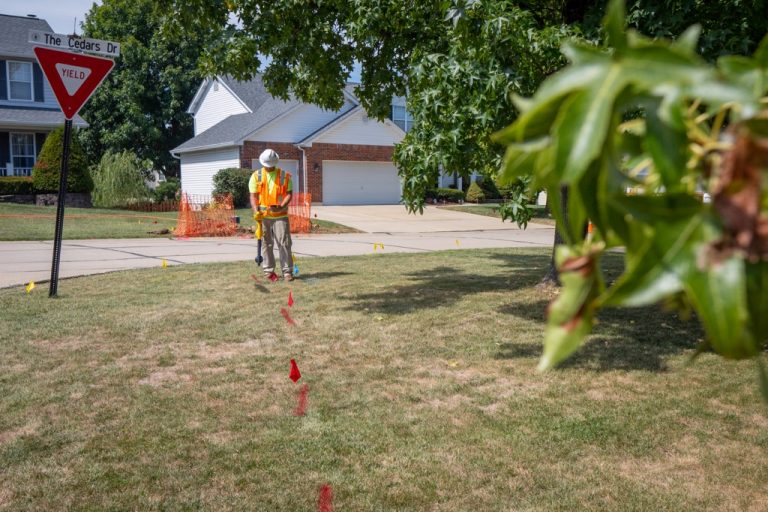
Step 4: Contact PG&E for power availability
Step 5: Check fire-risk zones and insurance rules
Step 6: Map out the potential building site
Step 7: Get contractor estimates before removing contingencies
Once you understand these utilities, you’ll have a clear, accurate picture of buildability and long-term affordability.


