
 Facebook
 X
X
 Pinterest
 Copy Link
Introduction: Why Insurance Matters for Short-Term Rentals
If you own or plan to own short-term rental properties in Central California, insurance should be a top priority. Vacation rentals in areas like Oakhurst, Coarsegold, and near Yosemite National Park face unique risks, from guest accidents to wildfire damage. Unlike traditional homeowners’ insurance, standard policies often don’t cover the specific liabilities of vacation rentals. Without the right coverage, one unexpected event could threaten your cash flow and long-term investment strategy.
In this guide, we’ll cover the key insurance considerations for short-term rentals in Central California, the types of policies you’ll need, and how to protect your income while keeping your property safe.
Homeowners Insurance vs. Short-Term Rental Insurance
Many first-time investors assume their homeowners’ insurance will cover their short-term rental. However, most policies exclude coverage for commercial use like vacation rentals. That means if a guest gets injured or damages your property, your claim could be denied.
Instead, investors should look into:
-
Short-Term Rental Endorsements: Some insurers allow you to add vacation rental coverage to your existing homeowners’ policy.
-
Dedicated Vacation Rental Policies: Specialized insurers provide coverage tailored for Airbnb, Vrbo, and other platforms.
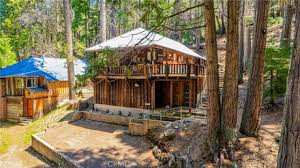
📌 Example: If you operate an Oakhurst cabin as a vacation rental, but your insurance is still a standard homeowners’ policy, you may not be protected if a guest slips on the deck and sues for medical expenses.
Liability Coverage: Protecting Yourself from Guest-Related Risks
Guest liability is one of the biggest risks for rental owners. Liability coverage protects you if someone is injured on your propert y or if you’re held responsible for damages.
-
General Liability Insurance: Covers guest injuries, such as slips, falls, or pool accidents.
-
Host Liability Protection: Airbnb and Vrbo offer host guarantees, but these often have limitations. Don’t rely on them alone.
-
Umbrella Policies: Add extra protection on top of your base liability coverage for higher-risk properties, especially those near pools, hot tubs, or hiking trails.
Property Damage Coverage: Safeguarding Against Loss
Short-term rentals face a higher risk of property damage than primary residences. Guests may break furniture, damage appliances, or cause accidental fires. Property damage insurance covers repairs and replacements so you’re not paying out of pocket.
-
Building Coverage: Protects the structure itself (roof, walls, etc.).
-
Contents Coverage: Covers furnishings, electronics, and appliances.
-
Loss of Use / Income Coverage: Reimburses lost rental income if your property becomes uninhabitable after a covered event like a wildfire.
Wildfire and Natural Disaster Insurance in Central California
Because Central California is prone to wildfires, property owners must secure coverage that accounts for this risk. Standard homeowners’ policies may have wildfire exclusions or limited coverage.
Tips for wildfire preparedness through insurance:
-
Confirm that your policy includes fire damage coverage.
-
Consider a California FAIR Plan if traditional insurers deny coverage.
-
Pair FAIR Plan with a wraparound policy for liability and loss-of-use protection.
🌲 Example: If a wildfire damages your Coarsegold rental, the right insurance could cover repairs and compensate for lost bookings during the downtime.
Business Income and Loss of Rental Income Coverage
One of the most overlooked aspects of short-term rental insurance is business income protection. If your property is uninhabitable due to a fire, flood, or covered event, you could lose weeks or months of income.
-
Look for policies that cover loss of rental income.
-
Some insurers offer business interruption coverage specifically for vacation rentals.
This coverage ensures your cash flow isn’t disrupted even when your property can’t host guests.
Partnering with the Right Insurance Providers
Not all insurance companies offer vacation rental coverage. Look for providers with experience in short-term rental policies and a history of working with California properties.
Some reputable companies that specialize in vacation rental coverage include:
Conclusion: Protect Your Investment with the Right Insurance
Owning a vacation rental in Central California can be highly profitable, but without the right insurance, it can also be risky. By securing short-term rental insurance, liability coverage, wildfire protection, and loss-of-income policies, you’ll protect both your property and your cash flow.
Consider checking out The Impact of Wildfire Season on Vacation Rental Investments in Central California
A smart insurance strategy ensures your investment remains safe, your guests are protected, and your rental income continues—no matter what challenges arise.


