
 Facebook
 X
X
 Pinterest
 Copy Link
Common Land Buying Mistakes (and How to Avoid Them) in Central California
A Foothill Buyer’s Guide to Access, Costs, Utilities & Hidden Risks
Buying land in the foothills of Madera County — Oakhurst, Coarsegold, North Fork, Ahwahnee, Raymond, Bass Lake, and the surrounding areas — can be one of the best long-term investments you’ll ever make. But rural land is not like buying a home, and one mistake can cost tens of thousands of dollars or even make the parcel unbuildable.
This guide breaks down the most common land buying mistakes I see buyers make in the foothills, with real examples from our local market. More importantly, it shows you how to avoid them so you can purchase land with confidence.
1. Mistake #1: Not Verifying Legal Access (the #1 Problem in the Foothills)
In the mountains, a road on Google Maps or a visible dirt path does not guarantee legal access.
Real Example:
A buyer purchased a 6-acre parcel in Coarsegold with what looked like a usable road. After closing, they discovered the road crossed a neighbor’s private property — with no recorded easement. The neighbor installed a locked gate, and the buyer lost access to the entire property.
What You MUST Do:
✔ Search the recorded easements on the parcel map
✔ Confirm road access using Madera County GIS
✔ Request the title company to verify ingress/egress rights
✔ Walk the property — never rely on online maps alone
Helpful External Links:
-
Madera County GIS Map: https://www.maderacounty.com/government/information-technology/gis
-
California Subdivision Map Act Overview: https://opr.ca.gov/planning/land-use/subdivision-map-act/
2. Mistake #2: Assuming All Land Is Buildable
Many parcels look amazing in photos but are impossible or extremely expensive to develop.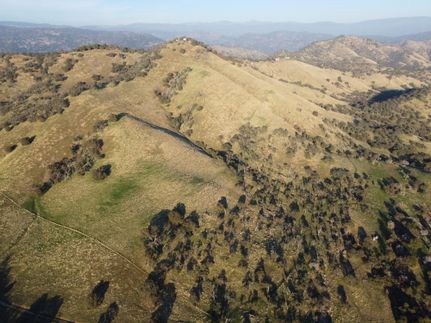
Common Buildability Issues:
-
Rock shelves or granite faces
-
Slopes over 30%
-
Soil too shallow for septic
-
Seasonal creeks requiring setbacks
-
Fire zone restrictions
-
Inaccessible terrain
Real Example:
A buyer from the Bay Area bought a “dream view lot” in Oakhurst for a bargain price. After bringing in a grading contractor, they discovered the build site needed $80,000 in cuts and fills to make a pad. The lot has sat vacant ever since.
How to Avoid This:
✔ Walk the entire parcel
✔ Verify buildable areas with a contractor
✔ Confirm septic feasibility early
✔ Check slopes and topography
External Link:
-
USDA Soil Survey Tool: https://websoilsurvey.sc.egov.usda.gov/App/HomePage.htm
3. Mistake #3: Skipping the Septic Feasibility & Perk Testing
A septic system determines whether you can build at all.
If the soil does not absorb water properly, you may need an engineered or mound system — or you may not be able to build a home.
Real Example:
A couple purchased a 2-acre property in North Fork without a perk test. After escrow, Environmental Health determined the soil failed in multiple areas — and the only acceptable location for a septic field was on a steep hillside. Total projected cost: $62,000.
How to Avoid This:
✔ Order a perk test and soil profile before removing contingencies
✔ Confirm the reserve leach field area
✔ Talk to Madera County Environmental Health
External Link:
-
Madera County Environmental Health – Septic Guidelines
https://www.maderacounty.com/government/public-health/environmental-health
4. Mistake #4: Underestimating Utility Costs (Huge Problem for Out-of-Area Buyers)
Many buyers assume utilities are “nearby,” only to discover they’re hundreds of feet away — or nonexistent.
Typical Foothill Costs
-
 PG&E line extensions: $10,000–$60,000+
 -
Well drilling: $18,000–$45,000+
-
Septic: $15,000–$45,000+
-
Grading: $5,000–$40,000+
-
Water storage: $1,500–$4,000
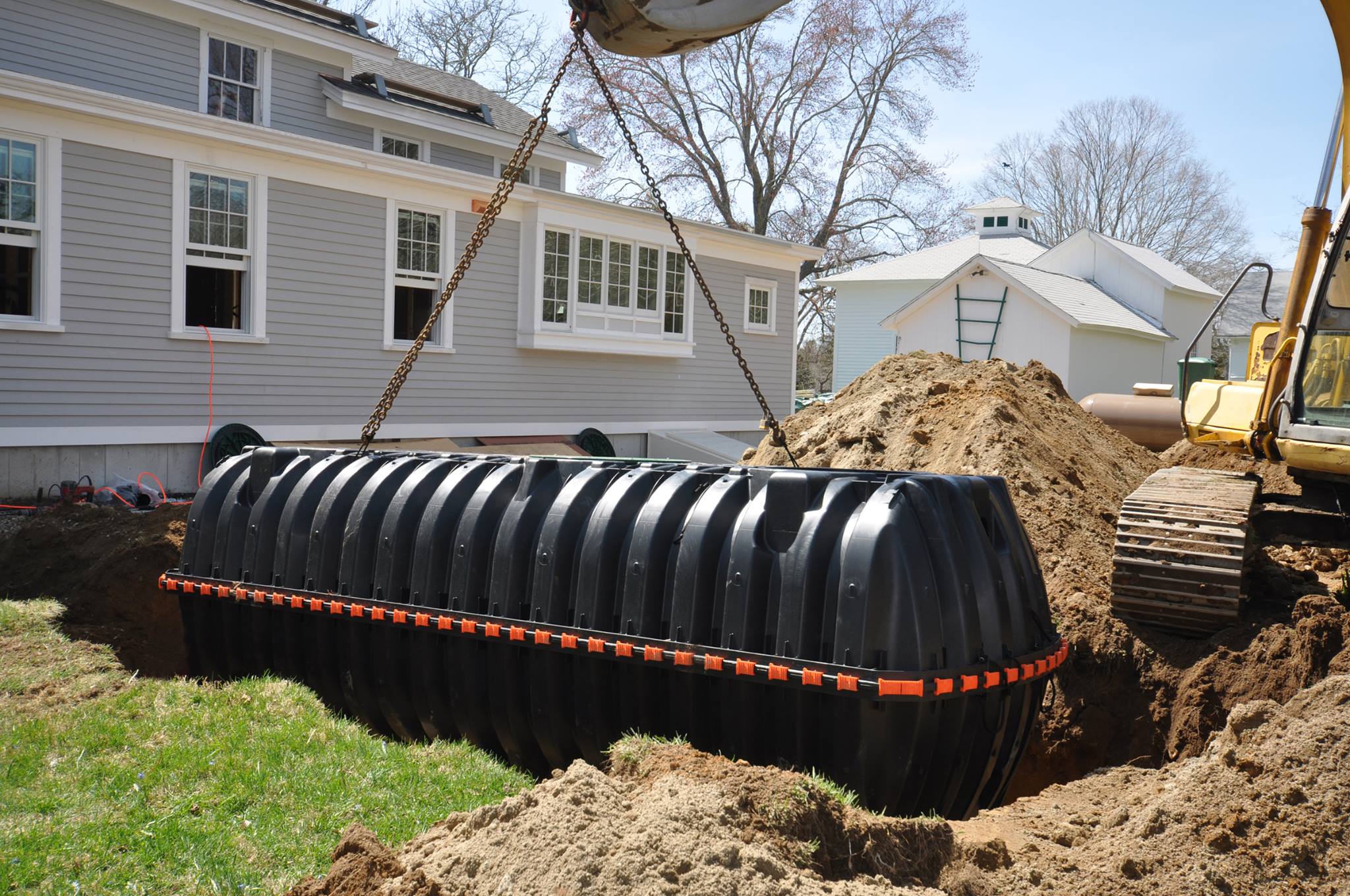 PG&E line extensions: $10,000–$60,000+
Real Example:
A buyer purchased a 5-acre property in Ahwahnee believing power was at the road. PG&E quoted $48,000 to extend a service line to the build site.
How to Avoid This:
✔ Contact PG&E’s New Construction Department
✔ Ask a local well driller for depth estimates
✔ Verify nearest power pole
✔ Confirm propane delivery access
External Links:
-
PG&E New Service: https://www.pge.com/en_US/residential/customer-service/home-services/new-construction/new-construction.page
-
CA Well Completion Reports: https://data.cnra.ca.gov/dataset/well-completion-reports
5. Mistake #5: Ignoring Fire Zones & Insurance Restrictions
Much of the Madera County foothill region is located in High or Very High Fire Hazard Severity Zones. This affects:
-
Insurance availability
-
Insurance cost
-
Required defensible space
-
Building materials
-
Tree clearance rules
-
Roof/fire-resistant construction requirements
Real Example:
A buyer purchased a 4-acre lot in Quartz Mountain and later discovered insurance quotes ranging from $6,000–$11,000/year, far above their budget.
How to Avoid This:
✔ Check CAL FIRE hazard maps
✔ Request insurance quotes early
✔ Confirm driveway/fire truck access
✔ Budget for vegetation management
External Links:
-
CAL FIRE Hazard Zone Maps: https://osfm.fire.ca.gov/divisions/wildfire-prevention-planning/fire-hazard-severity-zones/
-
California FAIR Plan (insurance): https://www.cfpnet.com/
6. Mistake #6: Buying Land Without a Survey or Confirming Property Lines
In rural areas, fences rarely follow the legal boundaries.
Real Example:
A North Fork buyer discovered a large portion of their driveway was built on a neighbor’s land. They had to pay $18,000 for a lot line adjustment and legal fees.
How to Avoid This:
✔ Order a boundary survey
✔ Ask the seller for their previous survey
✔ Confirm encroachments before closing
External Link:
-
CA Licensed Surveyors Board: https://www.bpelsg.ca.gov/
7. Mistake #7: Not Reviewing CC&Rs, HOA Rules, or Deed Restrictions
Some rural parcels come with:
-
Minimum home size requirements
-
No mobile or manufactured homes allowed
-
Short-term rental restrictions
-
Fencing or livestock rules
-
Road maintenance fees
Skipping these documents can create unwanted surprises.
8. Mistake #8: Falling for “Too Good to Be True” Pricing
Low-priced parcels usually have hidden problems:
-
No access
-
Failed perk
-
No water
-
Extreme slopes
-
Granite build sites
-
High fire risk
-
Unverifiable boundaries
If a lot seems underpriced, slow down — not all land is equal.
9. Mistake #9: Not Walking the Entire Property
I cannot stress this enough: Walk every inch.
You may discover:
-
Steep drop-offs
-
Large boulder formations
-
Water drainage issues
-
Seasonal creeks
-
Easement roads
-
Illegal dumping
-
Unbuildable sections
Online photos never tell the full story.
10. Mistake #10: Not Working With a Local Agent Who Specializes in Land
Land is one of the hardest real estate categories to navigate — especially in the foothills.
A land-savvy agent will:
-
Identify buildable spots
-
Coordinate perk tests & surveys
-
Spot red flags early
-
Verify access & zoning
-
Run utility availability
-
Provide contractor referrals
-
Offer true on-the-ground expertise
Buying land without guidance can expose you to massive risk — and unnecessary cost.


