
 Facebook
 X
X
 Pinterest
 Copy Link
How to Perform Due Diligence When Buying Land in Central California
A Complete Buyer’s Guide for Oakhurst, Coarsegold, North Fork, and the Surrounding Foothills
Buying land in Central California’s foothill communities—Oakhurst, Coarsegold, North Fork, Ahwahnee, Bass Lake, and the entire Hwy 41 corridor—can be an incredible opportunity. The region offers affordable acreage, privacy, mountain views, and long-term growth potential. But unlike traditional home purchases, raw land requires detailed due diligence. If you skip the right steps, you could end up with expensive surprises: unbuildable slopes, denied septic permits, no legal access, dry wells, or fire-zone complications.
This guide walks you through every critical step of due diligence. Whether you’re a first-time buyer or an investor planning development, this checklist can help you avoid costly mistakes and confidently choose a parcel that fits your goals.
Why Due Diligence Matters More in the Foothills
Buying land in the Central California foothills is different from buying land in metro areas like Fresno, Clovis, or Madera Ranchos. In the mountains, every parcel is unique. Terrain changes quickly. Access roads may cross private property. Wells and septic systems are not optional — they’re mandatory. Fire zones impact insurance, construction requirements, and long-term costs.
Because of these realities, due diligence is not just suggested — it’s the safety net that prevents buyers from inheriting problems that can take years (and thousands of dollars) to fix.
1. Start With a Complete Land Due Diligence Checklist
Before diving into soil tests, surveys, or inspections, you need a clear roadmap of what to check. A full land due diligence checklist includes the following:
-
Legal road access

-
Recorded easements
-
Water availability
-
Well production history
-
Septic feasibility
-
Soil and percolation tests
-
Topography and grading needs
-
Utilities and electric availability
-
Fire zone classification
-
Flood and hazard zones
-
Zoning regulations
-
Parcel size verification
-
Boundary surveys
-
HOA or CC&R restrictions
-
Environmental protections
-
Mineral or timber rights
-
Building permit feasibility
Each item affects cost, buildability, and long-term usability. Missing even one can create a major financial setback.
2. Confirm Legal Access Before Anything Else
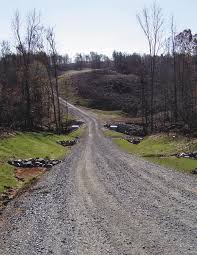
In the foothills, a road to the parcel doesn’t always mean you have the right to use it. Some rural roads cross private property without a recorded easement.
You must verify:
✔ Is the road public or private?
County-maintained roads are safest. Private roads require maintenance agreements.
✔ Is there a recorded easement?
Your title report should show written, legal access. Verbal agreements do not count.
✔ Is the road usable year-round?
Some foothill roads wash out in winter or become muddy in spring.
✔ Can emergency vehicles access the property?
Fire departments may require wider roads, clear turnouts, or specific driveway grades.
If the parcel lacks legal and physical access, the deal should pause until you can verify the path forward — or you move on.
3. Evaluate Soil, Perk Tests, and Septic Potential
In most foothill communities, there is no city sewer. Nearly every property requires a septic system. That makes soil testing one of the most important steps in land due diligence.
Standard Tests Include:
-
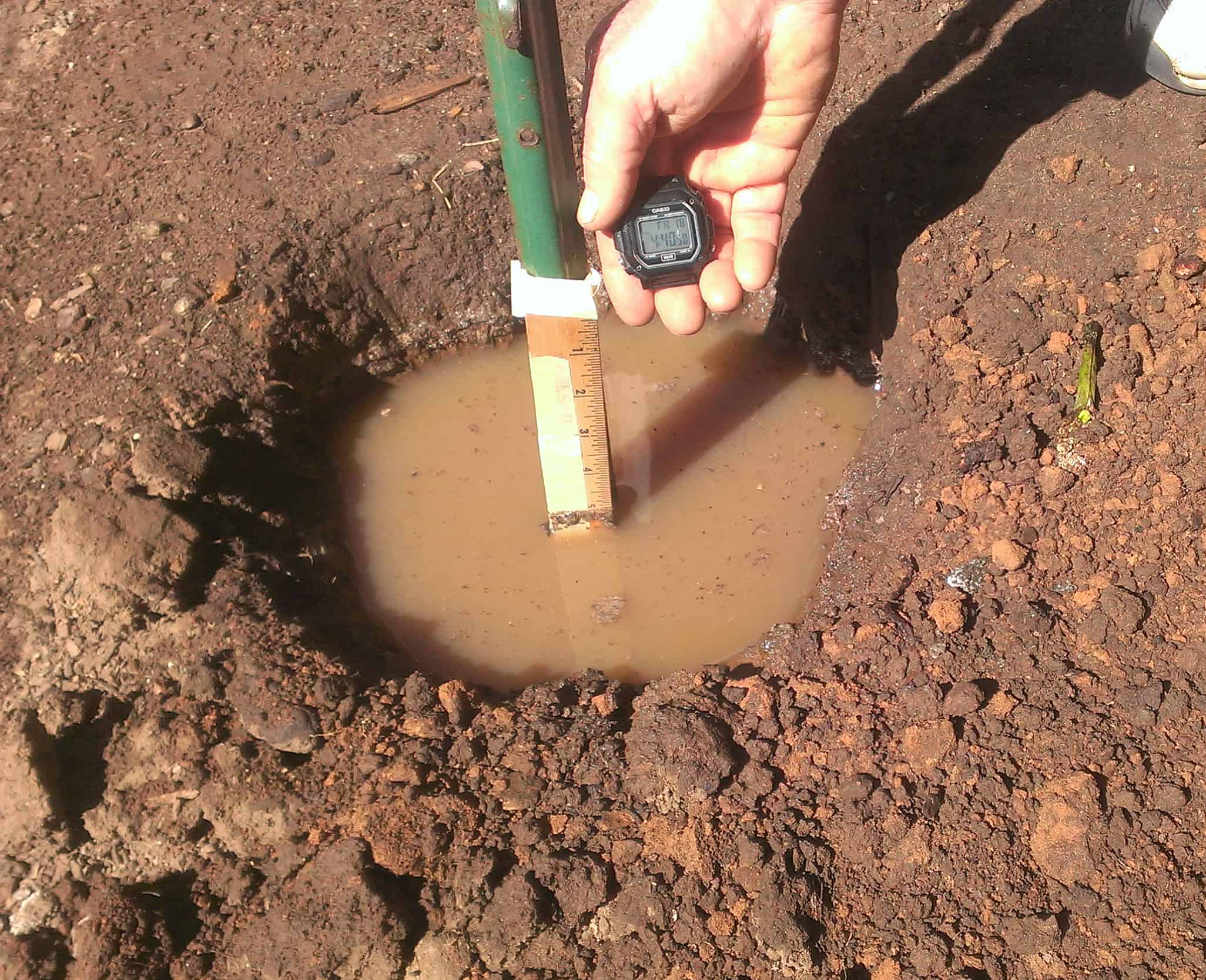
Percolation (“perk”) test — Determines how well the soil absorbs water
-
Soil profile test — Identifies layers of clay, rock, or decomposed granite
-
Septic design feasibility — Determines system type and placement
Why This Matters:
Poor soil can:
-
Increase septic installation cost
-
Force engineered or mound systems (much more expensive)
-
Reduce usable building area
-
Make the parcel impossible to develop
Madera County requires a licensed professional to complete these tests, and results stay valid for future buyers. If a seller already has a perk test on file, read it carefully — it can save time and money.
4. Assess Water: Well Feasibility and Production
A well is your only water source in most rural areas. So, you need to confirm whether the land can support one.
Key Steps Include:
-
Review nearby well depths from the county or Well Completion Reports
-
Ask neighbors about production levels (gallons per minute)
-
Hire a well driller for feasibility analysis
-
Check whether the parcel is in a water-scarce micro-area
-
Confirm there are no competing easements that restrict well placement
Most foothill wells produce 5–20 gallons per minute, which is acceptable for residential use. However, older wells or wells in rocky terrain may produce less than 3 GPM, which could require storage tanks.
If there is an existing well:
Request:
-
Full flow test
-
Potability test
-
Pump condition report
-
Well location map
A dry or failing well is one of the most expensive surprises buyers encounter. Testing early in the process eliminates that risk.
5. Review Easements, Boundaries, and Parcel Lines
Land in the foothills often has older surveys or boundary markers that may not match modern mapping tools.
Your due diligence should include:
-
A professional survey (recommended)
-
Verification of property corners
-
Easement locations
-
Right-of-way conflicts
-
Encroachments (fences, driveways, sheds)
Even a small discrepancy can affect building placement or legal access.
6. Analyze Topography, Slopes, and Build Sites
Foothill parcels vary widely. Some lots have flat pads. Others are steep, rocky, or heavily forested. You should confirm:
-
Is there a viable building site?
-
What grading will be required?
-
Will tree removal be necessary?
-
Are there natural drainage paths that restrict building?
-
Are slopes steeper than county regulations allow?
Flat or gently sloped parcels typically cost less to develop. Steeper lots may require engineered retaining walls, drainage systems, or elevated foundations.
7. Investigate Utilities and Off-Grid Options
Check availability for:
-
Electricity (PG&E)
-
Internet (Spectrum, Starlink, local providers)
-
Phone lines
-
Propane delivery
-
Solar feasibility
-
Backup generator compatibility
In remote areas, electrical lines may require expensive extensions. PG&E sometimes charges tens of thousands of dollars to run new service. Off-grid systems can save money, but only if the parcel supports solar or generator setups.
8. Fire Zones, Insurance Requirements, and Defensible Space
Most foothill communities fall within:
-
High Fire Hazard Severity Zones (HFHSZ) or
-
Very High Fire Hazard Severity Zones (VHFHSZ)
This impacts insurance premiums, construction requirements, and vegetation management.
You should check:
-
SRA or LRA designation
-
Required defensible space
-
Fire-safe driveway requirements
-
Local fire brush-clearance ordinances
-
Impact on insurance availability
Insurance has become a major factor for rural land buyers in California. Knowing your fire-zone rating early avoids surprises later.
9. Flood, Hazard, and Environmental Zone Checks
Use county GIS tools and FEMA maps to identify:
-
Flood risks

-
Creek or river boundaries
-
Wetlands
-
Protected species habitats
-
Archaeological restrictions
-
Historical resource overlays
Some zones limit what you can build or where you can place your house, septic system, or well.
10. Review Zoning, Permits, and Allowed Uses
Before making a decision, confirm:
-
Zoning code
-
Minimum parcel size
-
Allowed building types
-
Secondary dwelling unit rules (ADUs)
-
Agricultural uses
-
Livestock rules
-
Setback requirements
Every buyer should review zoning with both Madera County Planning and the county GIS mapping system.
11. Estimate Development Costs Before Committing
Even if a parcel is beautiful, it may not fit your budget once you factor in:
-
Well drilling
-
Septic installation
-
Electrical extensions
-
Grading and roadwork
-
Permit fees
-
Driveway construction
-
Fire prevention improvements
-
Utility trenching
Get contractor estimates before you close escrow — not after.
12. Bring All Findings Together Before You Remove Contingencies
A land purchase should not move forward until you have clarity on:
-
Access
-
Water
-
Septic
-
Build site
-
Utilities
-
Fire zone
-
Surveys
-
Zoning
-
Hazards
-
Development costs
When all information aligns with your goals, the parcel becomes a smart investment.


