
 Facebook
 X
X
 Pinterest
 Copy Link
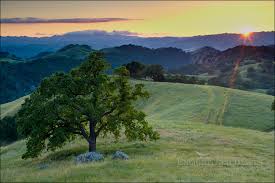
THE ULTIMATE GUIDE TO BUYING LAND IN OAKHURST, COARSEGOLD, AND THE FOOTHILLS
Buying land in the Central California foothills has never been more appealing. Whether you want to build a home, invest in acreage, or create a long-term retreat near Yosemite, the areas of Oakhurst, Coarsegold, North Fork, Bass Lake, and Ahwahnee offer some of the most diverse and scenic land opportunities in the region. But as exciting as land ownership is, the process is far more complex than buying a home.
This guide breaks down each step, helping first-time land buyers and out-of-area investors understand the foothill market, avoid costly mistakes, and approach the purchase with confidence.
1. Start With Understanding the Local Landscape
Before touring land, it helps to understand what makes the foothills different from metro areas:
-
Terrain varies quickly — one parcel can be flat and buildable, while the one next to it is rocky or steep.
-
Utilities are not always available — many parcels require a well, septic, and propane.
-
Access matters — some roads are paved, while others require 4WD during winter storms.
-
Zoning determines use — from single-family residences to agriculture or multifamily potential.
The more you understand early on, the easier it is to evaluate whether a parcel fits your budget and long-term goals.
2. Narrow Down the Type of Land You Want
Different buyers have different goals. Ask yourself:
Are you buying to build?
Look for:
-
Usable land
-
Gentle slopes
-
Existing pads or old home sites
-
Utility connections nearby
-
Road access that meets county standards
Are you buying as an investment?
Look for:
-
Larger lots (5–20+ acres)
-
Zoned for possible subdivision
-
Parcels with timber, grazing value, or agricultural potential
-
Strong resale potential and location appeal
Are you buying as a future retreat?
Look for:
-
Privacy
-
Views
-
Access to fishing, hiking, lakes, and Yosemite
-
Lower cost per acre
Having clarity helps you identify mismatched parcels quickly.
3. Research Parcels Before You Visit Them
This step saves hours of driving and helps eliminate problem lots early.
Use These Tools:
-
Madera County GIS → parcel lines, zoning, topography
-
Google Earth → slopes, views, vegetation
-
Parcel maps → easements, access roads
-
CalFire maps → fire risk levels
-
AT&T & Spectrum service maps → internet availability

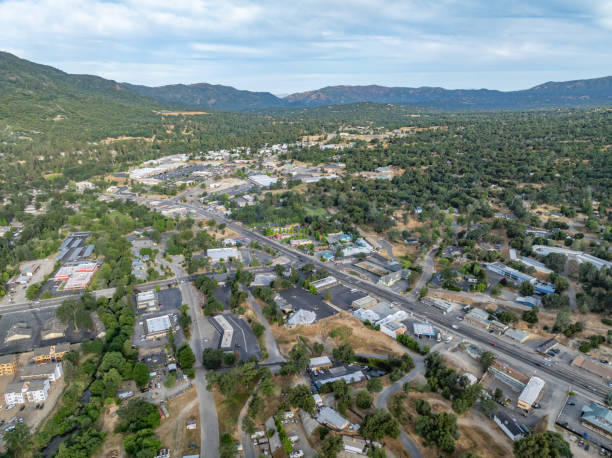
Also look for:
-
Nearby power poles
-
Neighboring well depths
-
Recent sales comps
This sets you up for a productive tour instead of blind exploration.
4. Tour Land in Person (Here’s What to Look For)
When walking a parcel, pay attention to:
Physical Usability
Is the land actually buildable? Some parcels look great online but are too steep, heavily wooded, or full of granite outcroppings.
Road Access
A parcel may be “legal access” but still be too rough for regular vehicles. Ask:
-
Does the road wash out in winter?
-
Will fire trucks be able to reach your home?
-
Does the county maintain the road?
Neighboring Uses
Sometimes a parcel is perfect, but a nearby property has junk cars, animals, or heavy equipment.
Views and Orientation
South-facing slopes get better sun for solar and gardening.
Take photos and bring notes—you’ll be surprised how much runs together after seeing a few lots.
5. Due Diligence: The Most Important Step
This is where land deals succeed or fail. Here’s what you should verify:
A. Well & Water
-
Is there an existing well?
-
What is the depth and flow rate?
-
If no well exists, what are typical depths in the area?
Wells in the foothills can range from 200 ft to 650 ft+, and costs vary widely.
B. Septic Feasibility
Before you buy, you want a PERC test and septic design approval.
Some soils absorb water well. Others don’t. Without septic approval, the land may not be buildable.
C. Power Availability
-
Is power at the street?
-
How far is the nearest pole?
-
Does the terrain allow for trenching?
PG&E line extensions can cost $15,000–$60,000 depending on distance and obstacles.
D. Zoning & Use Restrictions
Madera County has several zoning classifications. Each determines what can and cannot be built.
Check for:
-
Minimum parcel size
-
Agricultural restrictions
-
Short-term rental rules
-
Manufactured home eligibility
-
HOA rules (if applicable)
E. Environmental Concerns
Look for:
-
Seasonal creeks
-
Protected plant species
-
Wetlands
-
Potential erosion issues
Clearing or grading land without the right permits can result in fines.
6. Making the Offer (Land Contracts Are Not the Same as Homes)
When you’re ready to move forward, your offer should include:
-
A due diligence period (30–60 days is normal)
-
A right to drill test pits or do PERC testing
-
A contingency for water and septic feasibility
-
A contingency for acceptable utility access
-
Clear terms for easements and access
Many land buyers lose thousands because they skip contingencies. Don’t.
7. Closing Escrow on Land
A typical land escrow takes 30–45 days, but can go longer if testing is involved.
During escrow, you will:
-
Complete inspections
-
Review title reports
-
Confirm legal access
-
Get bids for wells, grading, septic, and power
-
Verify zoning and building requirements
Once contingencies are removed, you can close and take ownership.
8. Tips for Out-of-Area Buyers
Many land buyers in Oakhurst and Coarsegold live out of the region. Here’s how to streamline the process:
-
Use video tours
-
Request parcel orientation maps
-
Have your agent pull well logs and perc history
-
Ask for utility and road maintenance info
-
Run soil and topography checks early
A local foothill agent (me!) can fill in major knowledge gaps and prevent costly mistakes.
Final Thoughts
Buying land in Oakhurst, Coarsegold, or the surrounding foothills can be one of the most rewarding investments you make. When you understand terrain, utilities, zoning, and due diligence, you dramatically reduce your risk—and increase your long-term upside.
If you’re ready to explore parcels or want help evaluating specific land listings, I’d love to guide you through the process.
Call/Text: 530-854-9228
Email: b.stenberg@c21ditton.com
CENTURY 21 Ditton Realty — Oakhurst, CA


