
 Facebook
 X
X
 Pinterest
 Copy Link

Why Seasonal Trends Matter for Investors
The Central California vacation rental market is tied closely to Yosemite tourism. While demand peaks in summer, the market is far from uniform. Understanding seasonal trends gives investors the ability to anticipate shifts, adjust pricing, and optimize ROI.
Put simply: if you know when guests are coming, you can make sure your property is both available and profitable.
Peak Season: Summer in Yosemite
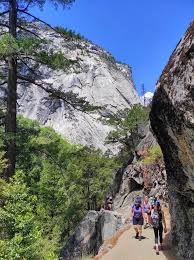
Summer (June–August) is the prime season for vacation rentals in Oakhurst, Coarsegold, and Bass Lake.
-
Families on Break: Schools out = demand up.
-
Outdoor Activities: Hiking, camping, and Yosemite sightseeing dominate.
-
Higher Nightly Rates: Properties close to Yosemite often book months in advance.
👉 Investors should increase nightly rates by 20–30% and ensure calendars are open well ahead of time.
Shoulder Seasons: Spring and Fall
Spring (March–May) and Fall (September–November) are considered shoulder seasons, but they’re profitable in their own right.
-
Spring: Waterfalls are roaring in Yosemite, attracting photographers and nature lovers.
-
Fall: Fewer crowds, colorful foliage, and cooler temperatures appeal to retirees and couples.
These seasons are perfect for mid-range pricing and extended stay promotions.
👉 Example: Offering a 10% discount on week-long stays often keeps occupancy high in Coarsegold cabins.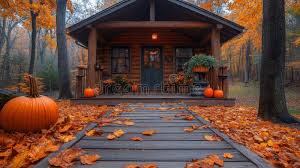
Winter: A Hidden Gem for Investors
Winter (December–February) is often overlooked, but it carries opportunity.
-
Skiing Nearby: Badger Pass Ski Area is just 1 hour from Oakhurst.
-
Holiday Travel: Families and friend groups often book cabins for Christmas and New Year’s.
-
Lower Occupancy: Overall demand dips, but those who market properly can still profit.
Investors who add fireplaces, cozy amenities, or hot tubs can turn winter into a profitable niche.
Seasonal Pricing Strategies
To maximize profits, pricing must match demand:
-
Dynamic Pricing Tools: Platforms like PriceLabs adjust rates automatically.
-
Premium Weeks: 4th of July, Thanksgiving, and Christmas deserve higher pricing.
-
Midweek Discounts: Offering discounts Sunday–Thursday boosts off-peak bookings.
According to AirDNA, rentals in Oakhurst average 75% occupancy, but dynamic pricing can add an extra 10–15% in slower months.
Adapting Amenities for Each Season
Guests expect different features depending on the season:
-
Summer: Outdoor decks, BBQs, and shaded areas.
-
Fall: Scenic seating for leaf viewing, hiking trail maps.
-
Winter: Fire pits, hot tubs, cozy blankets.
-
Spring: Guides to Yosemite waterfalls and wildflowers.
Simple adjustments and seasonal touches not only delight guests but also encourage 5-star reviews.
Marketing Your Property Seasonally
A generic listing won’t cut it year-round. Tailor your marketing:
-
Summer: Highlight Yosemite hikes and outdoor adventures.
-
Fall: Use photos of colorful landscapes.
-
Winter: Feature fireplaces and cozy interiors.
-
Spring: Market romantic getaways and photography opportunities.
👉 For more marketing ideas, check out Marketing Your Short-Term Rental: Tips for Central California Hosts.
Final Thoughts
Success in vacation rental investing isn’t just about buying property—it’s about understanding when guests will come and what they want during each season.
By adjusting pricing, amenities, and marketing to fit seasonal trends, investors in Oakhurst and Coarsegold can keep occupancy high and ROI strong all year long.
Central California’s beauty doesn’t fade with the seasons—it simply changes. Smart investors change with it.


